Why do AV integrators need a purpose-built proposal tool?
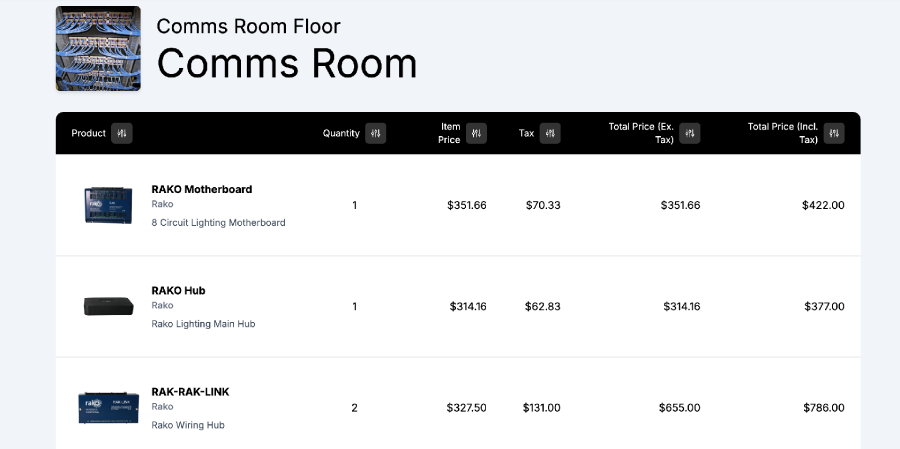
A generic quoting tool is built around line items and a subtotal. An AV proposal has to carry cable schedules, wiring schematics, floor plans with device locations, labour across trades, and brand-specific product detail pulled from live supplier pricing. A word-processor template loses the first time the client asks "what TV is that?" or "what's the cable run from rack to TV2?". Specifi's proposal engine keeps the supporting artefacts attached to the line items that generate them, so a change to quantity or product automatically flows through the schematic, the schedule, and the price without you rebuilding the pack from scratch.
Can I use my existing templates?
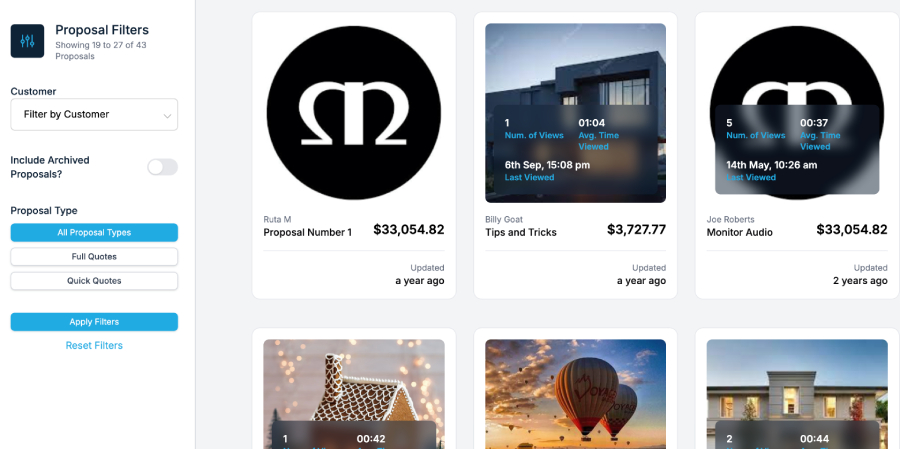
Yes. During onboarding our team rebuilds your templates inside Specifi using your brand, typography, section ordering, and signature blocks. What you send out from Specifi looks like a document from your business, not a document from ours. You can maintain multiple templates for different project types (residential integration, commercial install, service-only, design-only), and templates can be versioned so a legacy template stays available while a new one rolls out to the sales team. Template edits take minutes and do not require a developer.
Which suppliers feed live pricing and product data?
Specifi connects directly to a growing list of major AV distributors and manufacturers for live catalogue, pricing, and product imagery. The integrated catalogue sits at over 600,000 products today and grows as new supplier feeds come online. For brands not yet directly integrated, you can import custom products with your cost, your margin, and your own datasheet imagery; those products then behave exactly like integrated ones inside the proposal. If a specific supplier is critical to your business, ask on the demo and we will confirm current status or prioritise the connection.
How does e-signature work?
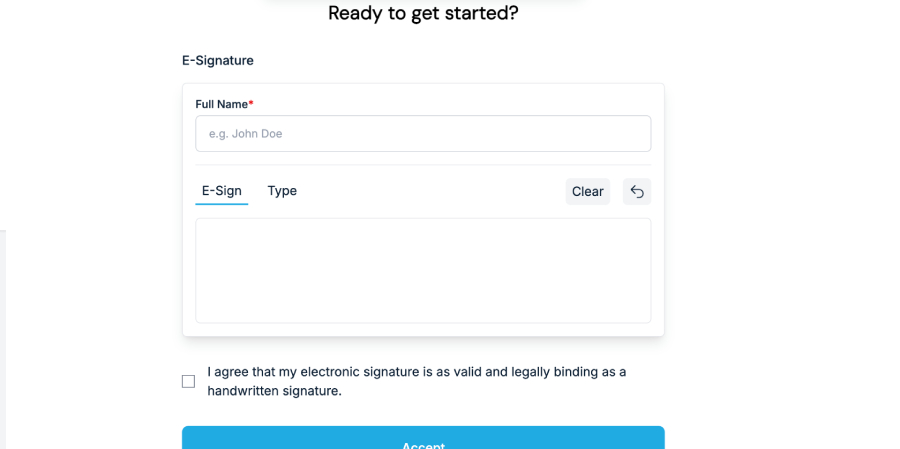
Every proposal has a "send for signature" button. The client receives a branded link, clicks through to a read-only view of the proposal in the client portal, and signs in-browser on desktop or mobile. The signed PDF is stored against the deal record, timestamped, IP-logged, and admissible as evidence under UK and US e-signature law. Multi-party signing is supported for projects that need an architect or a builder to countersign before the homeowner. You do not need a separate DocuSign or Adobe Sign subscription.
Can I collect a deposit at signature?
Yes, natively, via Stripe. Once the client signs, the proposal's deposit line (configurable at a percentage or a fixed amount) presents a pay-now button. The client pays by card, Apple Pay, Google Pay, or bank transfer where available in their region. The payment reconciles back to the proposal, the deal advances to "won", and the project spins up ready for delivery. Specifi does not take a cut of the payment; Stripe's standard processing fee applies. Deposits on balances larger than the card-network limits route automatically to ACH or BACS.
How are change orders handled?
A change order is a versioned revision of the original proposal. When the client requests a scope change after signature, you add the new products, labour, or scope as a delta; Specifi generates a change-order document showing exactly what moved, at what price, with what schedule impact. The client signs the change order in the portal the same way they signed the original. Once signed, the project budget updates, the supplier purchase orders update where relevant, and the invoice schedule recalculates. Unlike most competitors in this space, change orders are included; there is no upgrade tier or add-on to turn them on.
Can clients counter-propose or ask for edits?
Yes. The client portal includes a lightweight comment thread against the proposal, so a client can request changes ("can we drop the in-ceiling speakers in bedroom 2?") without email tennis. Comments appear on the salesperson's deal timeline. You edit the proposal in response, resend it, and the client sees the diff. Comment history is preserved on the deal record so the reason-for-change trail is intact if you end up in dispute over what was agreed.
What do the proposals actually look like?
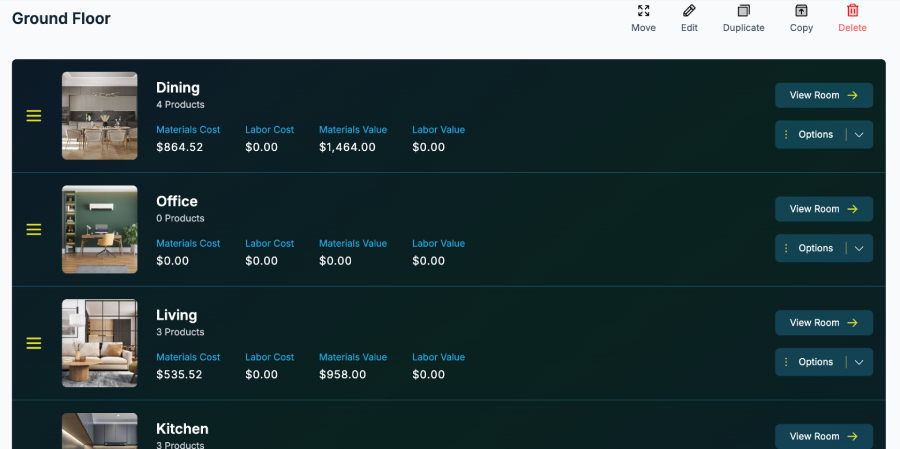
Professional, in a way that closes six-figure residential integrations. The base templates are designed by our content team and refined during onboarding to match your brand. Layout options cover a lead page with hero imagery, a scope narrative, a room-by-room product pack, cable schedules and schematics where the project warrants them, labour breakdown, terms and conditions, signature page, and deposit page. Clients comment most often that the proposals feel more like a design book than a quote; that is the point. The visual shape of what you send communicates the quality of what you deliver.
Does it support multi-currency?
Yes. GBP, USD, EUR, AUD, NZD, and CAD are all live. You can set a default currency per account and override per proposal. Conversion rates for multi-currency deals update daily against a published feed, and the conversion is stamped on the proposal at send time so the client sees stable numbers rather than a rate that moved overnight. Multi-currency procurement (a UK integrator buying from a US supplier and billing a UK client) is handled end-to-end, with the conversion visible on the PO, the project cost basis, and the final invoice.
What happens after the client signs?
Signing flips the deal to "won" on the CRM pipeline and spins up a project. Products and quantities populate the project's stock-allocation view (ready to draw down from inventory once that module ships in June 2026, or to generate purchase orders direct to supplier in the meantime). Labour lines become work orders assignable to technicians. The scheduled deposit invoice sits in a "ready to send" state; if Stripe deposit was enabled, the payment has already landed. The client's portal view refreshes to show "project underway" with the next milestone they can expect to hear about.
What if the client wants to see a paper proposal?
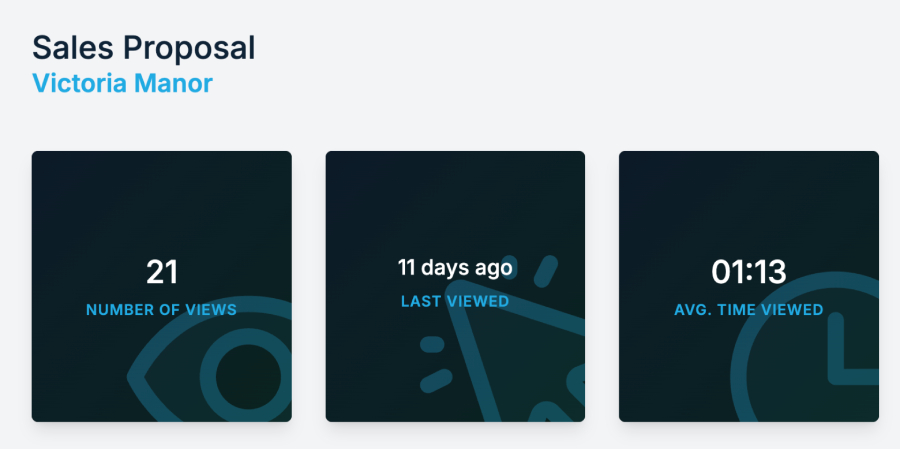
Every proposal generates a print-clean PDF alongside the interactive client-portal version. You can email the PDF, print it, or drop it into a leather folio and hand-deliver it the way high-end residential integrators still do. The PDF carries the same content, same branding, and same pricing as the portal version; signing still happens in the portal (or via a paper counter-sign that your salesperson logs back into Specifi). Analytics ("has the client opened the proposal yet") rely on the portal path, so encourage clients toward the digital signature flow where the deal size justifies it.
Is there a limit on proposals per month or proposal value?
No. The proposal engine is unmetered on every plan. A £5,000 sound-bar install and a £500,000 commercial AV fit-out use the same template system, the same supplier catalog, and the same signature flow. The only difference is how much detail you pack in. There is no per-proposal fee, no per-MB document-storage fee, and no cap on stored proposals or deal volume.
How does this connect to projects, invoicing, and inventory?
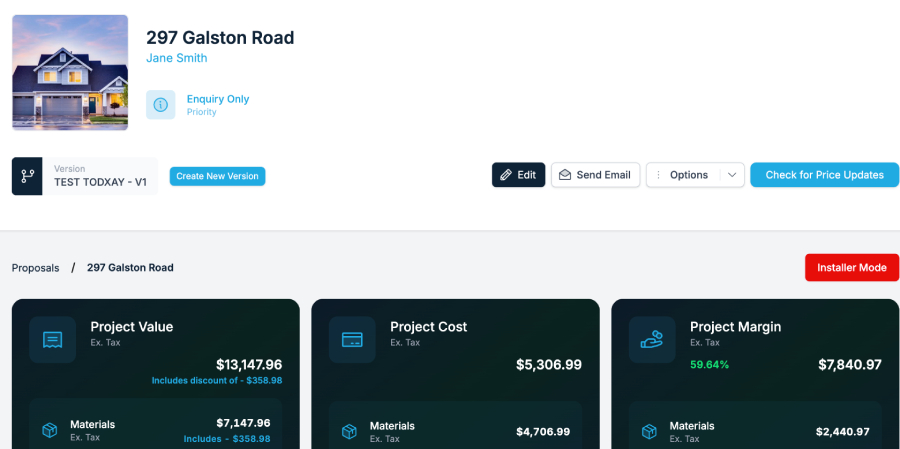
End to end. The proposal is the origin record; everything downstream reads from it. Project management pulls the scope, budget, and timeline. Work orders pull the labour. Invoicing pulls the payment schedule. Inventory (beta, shipping June 1 2026) will pull the materials for stock allocation. Customer portal shows the signed proposal so the client always has the record they agreed to. Change orders update every downstream record automatically. One source of truth, and the "retype into the project management tool" step that most integrators lose two hours a week to simply disappears.